

It’s easy to assume that Electrical Engineering work only exists in and around major cities. A lot of engineers expect that if they want to design custom systems and stay close to the build, relocation is just part of the deal.
That isn’t always the case. In Central Illinois, there are Electrical Engineering roles tied to system integrators that design and build custom machines for a wide range of customers. Instead of supporting one facility long-term, engineers work on new equipment builds where electrical designs move from schematic to panel to powered machine.
Versatech, based in Effingham, IL, is built around that kind of work.
Electrical Engineering Careers in Effingham, IL

Electrical Engineering careers in Effingham are closely tied to custom industrial automation and machine-build environments. Electrical systems are designed to support specific customer processes and must account for power distribution, safety requirements and control panels as part of fully integrated automation solutions.
Electrical Engineers work closely with mechanical and controls teams to support how equipment is physically built and electrically brought to life on the production floor. The work is hands-on, project-driven and directly connected to real customer outcomes.
What does an Electrical Engineer do?
Electrical Engineers at Versatech design and support the electrical backbone of industrial automation equipment. The role includes developing electrical schematics, laying out control panels, selecting components, and supporting systems through build and power-up.
Rather than supporting existing facility-equipment long-term, Electrical Engineers work on new machine builds. They remain involved as designs move into fabrication, wiring, and testing, ensuring electrical systems function as intended when energized.
Responsibilities of an Electrical Engineer
Electrical Engineers are responsible for how power and signals are distributed through an automation system and how safely that system operates once energized. Day-to-day responsibilities typically include:
- Creating electrical schematics and panel layouts
- Selecting electrical components and defining wiring approaches
- Applying electrical codes, safety standards, and design requirements
- Supporting panel fabrication and machine wiring
- Verifying electrical systems during power-up and testing
- Troubleshooting electrical issues during build and startup
- Coordinating with mechanical and controls engineers during integration
Skills required for Electrical Engineering careers
Electrical Engineering roles emphasize practical electrical knowledge and execution. Engineers are expected to understand how electrical designs translate into real panels and wiring, and how design decisions affect safety, serviceability and startup performance.
Attention to detail and the ability to methodically trace electrical issues are essential in machine-build environments.
In-demand technical skills for Electrical Engineers
Some of the most valuable technical skills for electrical engineering are:
- Electrical schematic design and interpretation
- Control panel layout and component selection
- Industrial power distribution and safety circuits
- Electrical troubleshooting during testing and commissioning
Education and training
Most Electrical Engineers have a background in electrical engineering, electrical technology, or a related technical field. Hands-on experience with panels, wiring, and industrial equipment is especially valuable and often complements formal education. Additional training and exposure are commonly gained through on-the-job experience.
Electrical Engineering opportunities at Versatech™
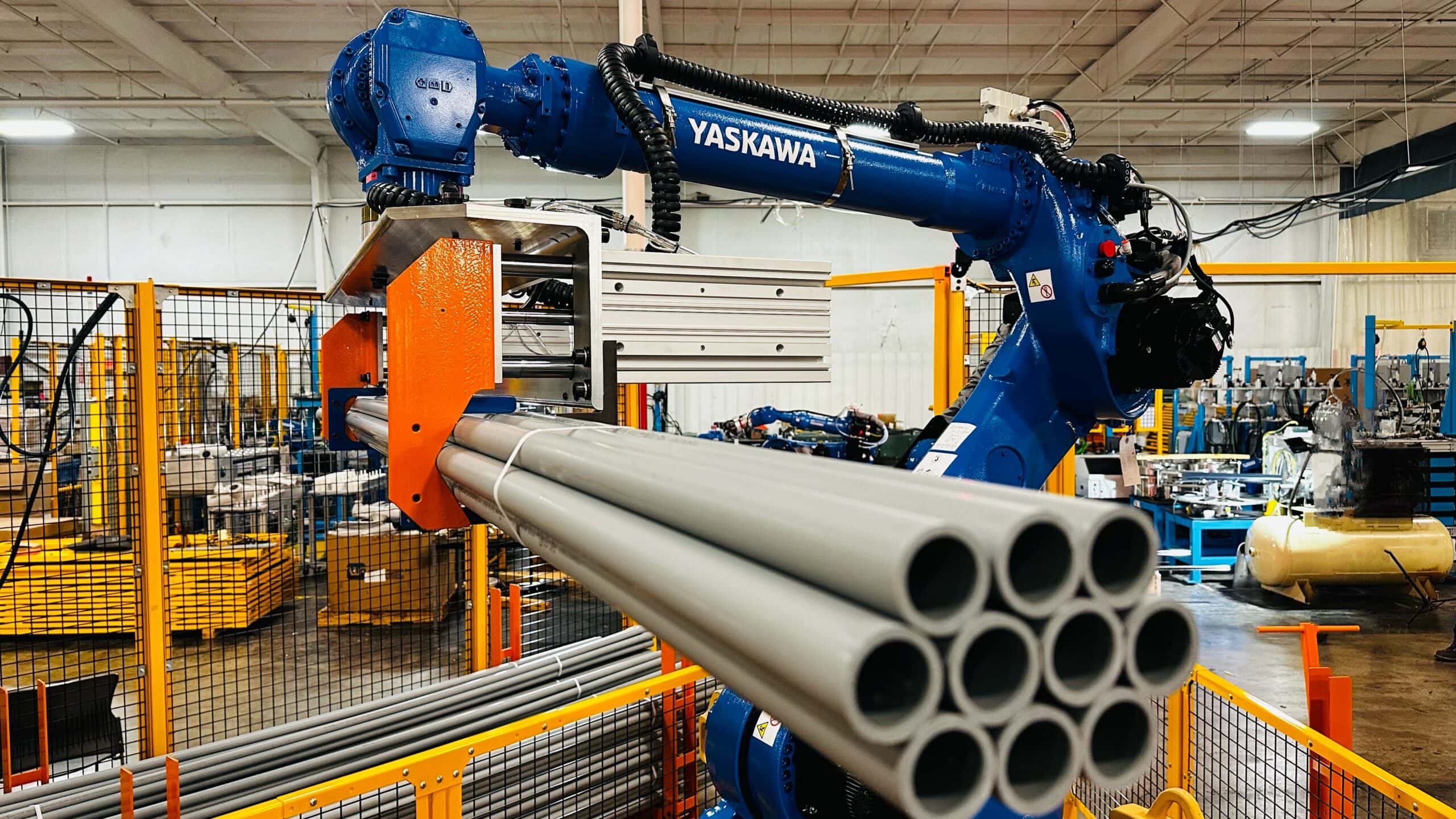
Versatech designs and builds custom automation equipment in-house, with Electrical Engineers supporting projects from initial design through system validation. Engineers are involved in defining electrical architecture, supporting builds and ensuring systems meet safety and performance requirements.
Work is primarily based in Effingham, with limited travel to support installation or startup activities as needed.
What opportunities does Versatech™ offer for Electrical Engineering careers?
Versatech™ is an Effingham-based manufacturer and system integrator that delivers custom automation systems for a range of industries. Electrical Engineers contribute directly to how machines are powered, protected and prepared for operation before they ever reach a customer site.
The role offers exposure to varied equipment and electrical designs rather than a single standardized platform.
Applying for Electrical Engineering careers in Effingham, IL
There is no single background that defines a successful Electrical Engineer. Some candidates bring prior electrical design or industrial experience, while others are earlier in their careers with strong fundamentals and hands-on exposure.
What matters most is care in execution, willingness to learn, and comfort working with physical electrical systems. Experience with schematics, panels, or industrial wiring is helpful, but growth happens on the job.
Joining the Versatech™ engineering team

Versatech™ supports engineers through direct involvement in real projects. New team members work alongside experienced engineers, contribute to active builds, and gradually take on more responsibility as their skills develop.
Engineers who succeed here tend to value precision, collaboration, and staying close to the work rather than operating in a silo.
How can you navigate Versatech™’s application process and join their team?
- Visit the Versatech™ careers page to view current openings
- Submit your resume through a simple application form
- Be prepared to discuss your technical experience and problem-solving approach during interviews


